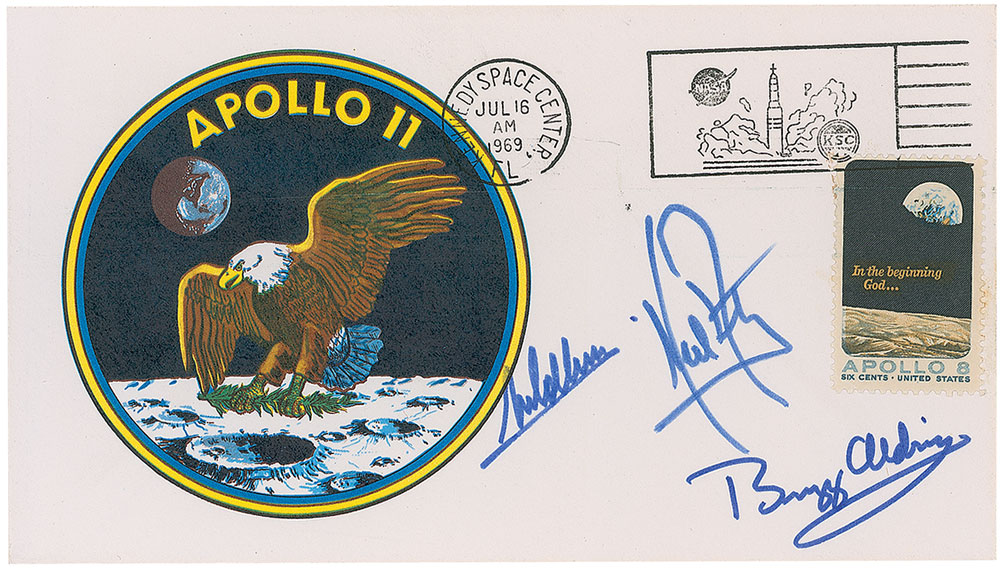
The Apollo crew was paid a per-diem rate of $8—around $50 a day in today’s terms, per day—for the work they did in space. This was the standard away-from-base payment military officers would receive … and it included deductions for things like accommodation (because the astronauts, after all, were being housed in their spaceship).
You could read this as NASA being cheap; you could also read it as NASA seeing its highly publicized moonwalkers as just the most visible extensions of the space program’s enormous network of human capital. Either way, the astronauts earned salaries that were notably modest in relation to the risk they were incurring by taking trips into the unknown. Which was a matter of concern not just to them, but to their families. What if something were to go wrong as they were flying their missions? The astronauts wouldn’t just be leaving grieving families behind; they would also be leaving those families without their primary breadwinners. This was the 60s, after all.
So the astronauts—with the help of NASA—took precautions. Most notably, while in quarantine before launch, they each signed three cards (“insurance cards”) that were then given to their families. The logic being that, should something go wrong during the mission, the cards bearing the valuable signatures of the fallen astronauts could be sold, with proceeds benefitting the flyers’ families.
 The Committee to Nuke Elysium