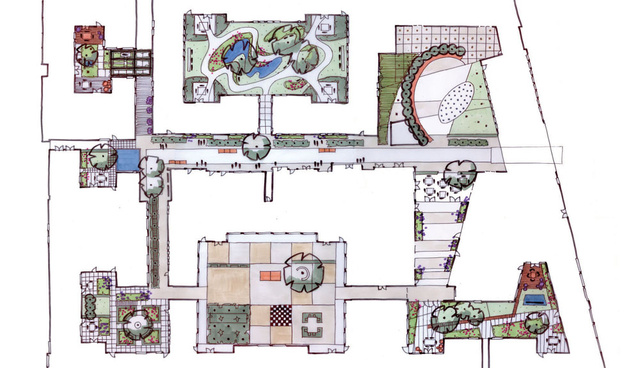
Hogeweyk, from a certain perspective, seems like a fortress: A solid podium of apartments and buildings, closed to the outside world with gates and security fences. But, inside, it is its own self-contained world: Restaurants, cafes, a supermarket, gardens, a pedestrian boulevard, and more.
The idea, explains Hogeweyk’s creators, is to design a world that maintains as much a resemblance to normal life as possible—without endangering the patients.
…
Hogeweyk, which opened in 2009, was the culmination of that work—but according toThe New York Times, interest from companies in other European countries and America might soon bring the same approach to our shores. In fact, in Switzerland, a similar “village” has already opened—this one mimics life in the 1950s. After all, the booming aging runs parallel to a boom in construction—thousands of nursing homes and new memory care units will be built over the next few decades. And how they’re designed could affect every person reading this.
What Hogeweyk reveals, though, is the culturally-ingrained way we distinguish between those who do and don’t suffer from dementia. By treating residents as normal people, Hogeweyk seems to suggest that there isn’t such a huge difference, deep down—just differing needs. By designing a city tailored to those unique needs, residents avoid the dehumanization that long-term medical care can unintentionally cause.
On the village’s site, a quote from Italo Calvino’s 1978 Invisible Cities drives it home: “They already have experienced a night like this, and they were happy then.”
 The Committee to Nuke Elysium