Read moreThird Generation gangs differ from First Generation gangs, which are essentially turf organizations that engage in opportunistic crimes, and the more market-focused Second Generation gangs that sometimes operate on a national level. The small but growing number of third generation (3 GEN) gangs are internationalized, networked, and complicated structures that sometimes evolve political aims (for an example, see John P. Sullivan, “Transnational Gangs: The Impact of Third Generation Gangs in Central America,” Air and Space Power Journal Spanish edition, July 2008).
The most obvious third generation examples are MS-13 and M-18, which conduct business internationally across many parts of the Americas. MS-13 is estimated to have 8,000-10,000 members and M-18 30,000 members, although telling hardcore maras from affiliates and associates is problematic. Yet other gangs elsewhere in the world combine political aims and criminal action. These include the Latin Kings active in the US, Caribbean, and Spain; Tamil gangs in Toronto linked with Sri Lanka’s LTTE, gangs (like the Premier Capitol Command-PCC and Red Command) and vigilante militias in Brazil’s favelas, as well as Cape-area gangs in South Africa like ‘Hard Livings’ and their bitter foes, the vigilante group Pagad (People against gangsterism and drugs).
Author: m1k3y
Read moreA survey of 3,001 children aged nine to 16 found that 24% had their own blog and 82% sent text messages at least once a month.
Read moreHalf a second delay caused a 20% drop in traffic. Half a second delay killed user satisfaction


Gryphon tactical wingsuits = covert death from above
I really wasn’t sure what I wanted for Christmas until now. In fact, this is just the sort of system a twenty-first century Santa needs.
From WIRED’s Danger Room:
…described as a…
Gryphon tactical wingsuits = covert death from above
Read more "Gryphon tactical wingsuits = covert death from above"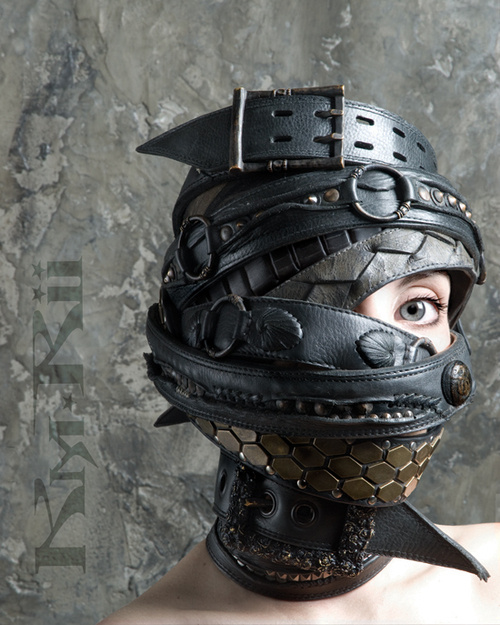
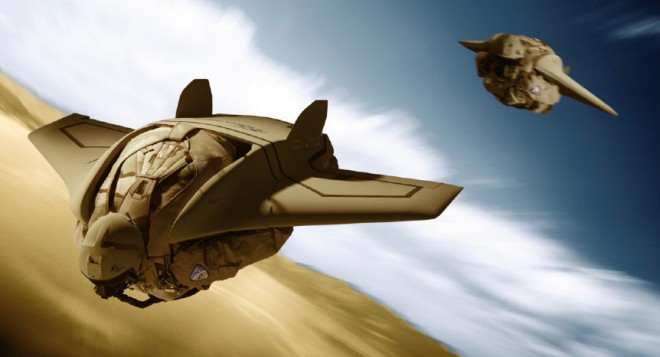
 The Committee to Nuke Elysium