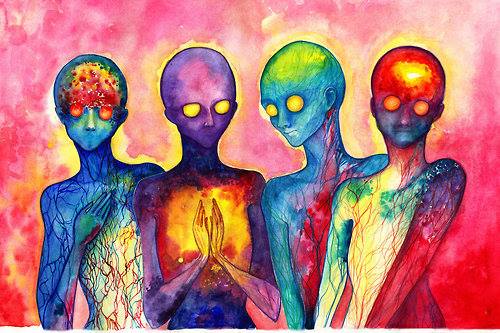
This was where a Galactic Civilisation was built from the ruins of the Twentieth Century…

The entry in the Multiverse TV Guide reads:

Twenty First Century: for the majority of timelines, this was where a Galactic Civilisation was built from the ruins of the Twentieth Century (and the Industrial Civilisation that preceded it).”

Here in Cosmic Anthropologist HQ we spend a lot of time contemplating a more fleshed out Kardashev Scale. Something that has more dimensions than just energy usage. Cultural factors. Ethical metrics.

Here in Cosmic Anthropologist HQ we’re looking forward to being able to have a bath without using a bucket.

“The Future Composts the Past.” ~ Bruce Sterling

In most of those other timelines, Giant Mutant Rats haunt a ruined Earth.
PaxRomana04-030

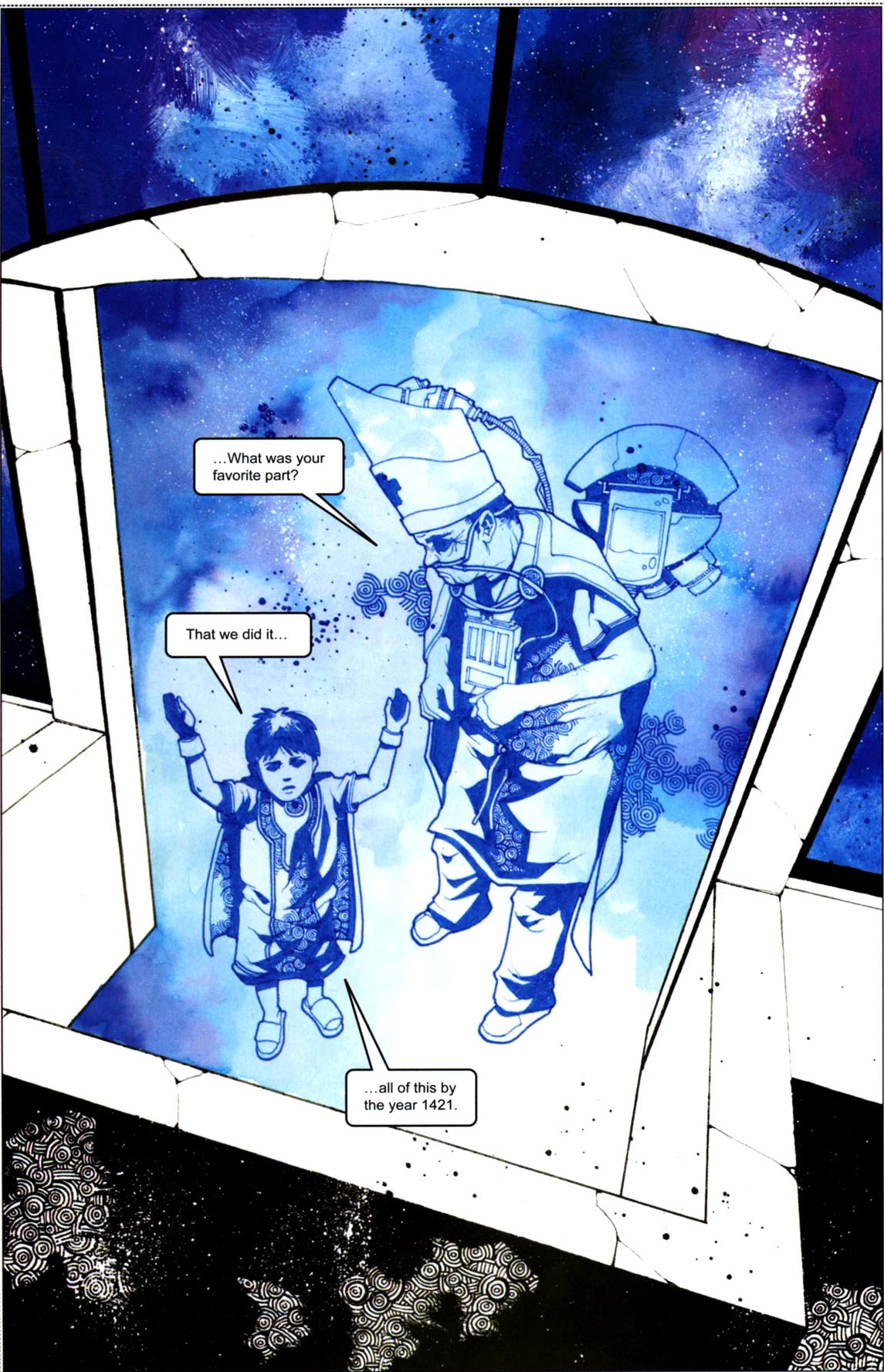
And in just one, we got to Mars in the fifteenth century. Thanks to time travelling posthumans willing to save the world by any means necessary. Obviously.

manhattan-projects-panel1

Some speculate we got there decades ago. Or rather, They did. Those with their secret space program.

History is a lie. Progress is an illusion.

The Truth, as ever, lies somewhere between what we think we know and what we fear and what we can’t even imagine.

It wasn’t until the fifth viewing of Cloud Atlas that I saw the Wachowskis are showing us more than the trap of eternal recurrence. They’re giving us glimpses of the path we’re on too. Neo Seoul and the drowning earth.

Cloud Atlas

And of course, a civilisation that just managed to reach the stars before the Collapse finally came. That managed to hurl bits of itself out into the void in one last push.
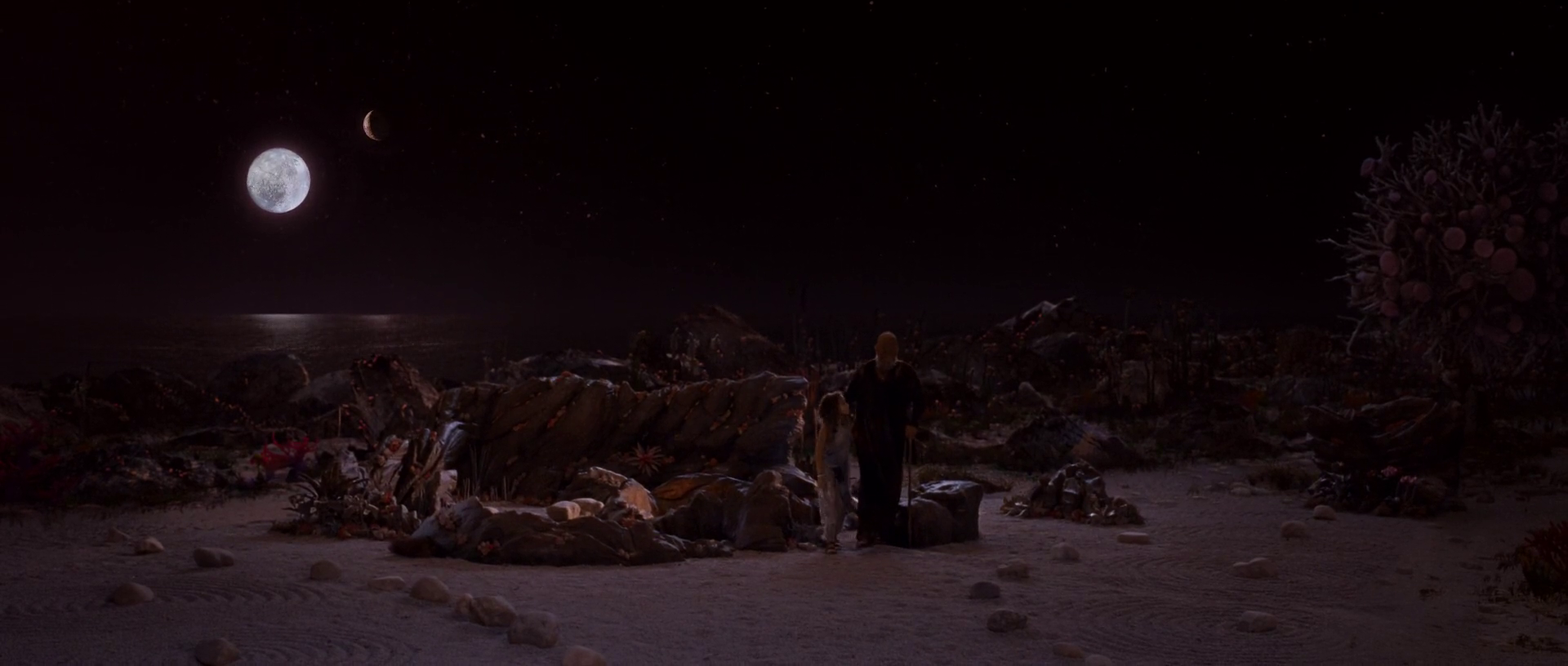
Cloud Atlas
Cloud Atlas

Which makes the plot of Jupiter Ascending all the more interesting.

from the Jupiter Ascending ‘look book’

I’m paying attention.

I’m standing here in the rubble of the World with a shovel, ready to build a Type 2 Civilisation.

Who knows, maybe the galaxy will meet us halfway?

Read more "This was where a Galactic Civilisation was built from the ruins of the Twentieth Century…"
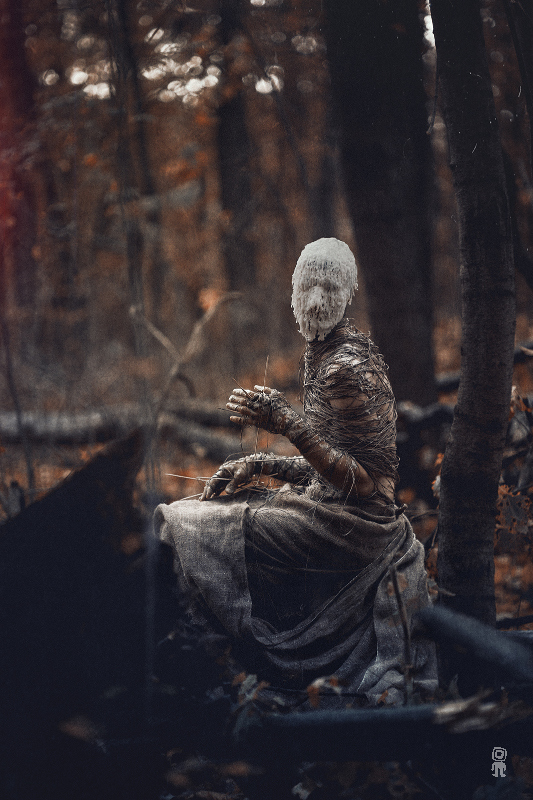

Oversized Rats Could Take Over Earth After Next Mass Extinction

The researchers based their hypothesis on rats’ proven ability to infiltrate most major landmasses and islands on the planet, as well as their persistence throughout the world despite widespread attempts tocontrol their populations. Other animals, such as cats and feral pigs, also do well in diverse ecosystems around the world, but they are not as widespread as rats. In the event of a mass extinction caused either by human activity or a catastrophic event, rats are theoretically the most likely mammals to be spared, given their wide extent and ability to cope in varied conditions, Zalasiewicz said.

Oversized Rats Could Take Over Earth After Next Mass Extinction

Read more "Oversized Rats Could Take Over Earth After Next Mass Extinction"

MI5 Spook turned Whistleblower in the late 01990s speaks out against the Military Industrial Complex and the Forever War. Declares her audience of hacker folk The Resistance.

Read more

orbitdecay:

The expanding debris cloud from the explosion of a massive star is captured in this multiwavelength composite, combining x-ray and optical images from the Chandra and Hubble telescopes. Identified as E0102-72, the supernova remnant lies about 190,000 light-years away in our neighboring galaxy, the Small Magellanic Cloud. A strong cosmic source of x-rays, E0102 was imaged by the Chandra X-ray Observatory shortly after its launch in 1999. In celebration of Chandra’s 10th anniversary, this colorful view of E0102 and its environs was created, including additional Chandra data. An analysis of all the data indicates that the overall shape of E0102 is most likely a cylinder that is viewed end-on rather than a spherical bubble. The intriguing result implies that the massive star’s explosion has produced a shape similar to what is seen in some planetary nebulae associated with lower mass stars. At the distance of the Small Magellanic Cloud, this field of view spans about 150 light-years.

Read more