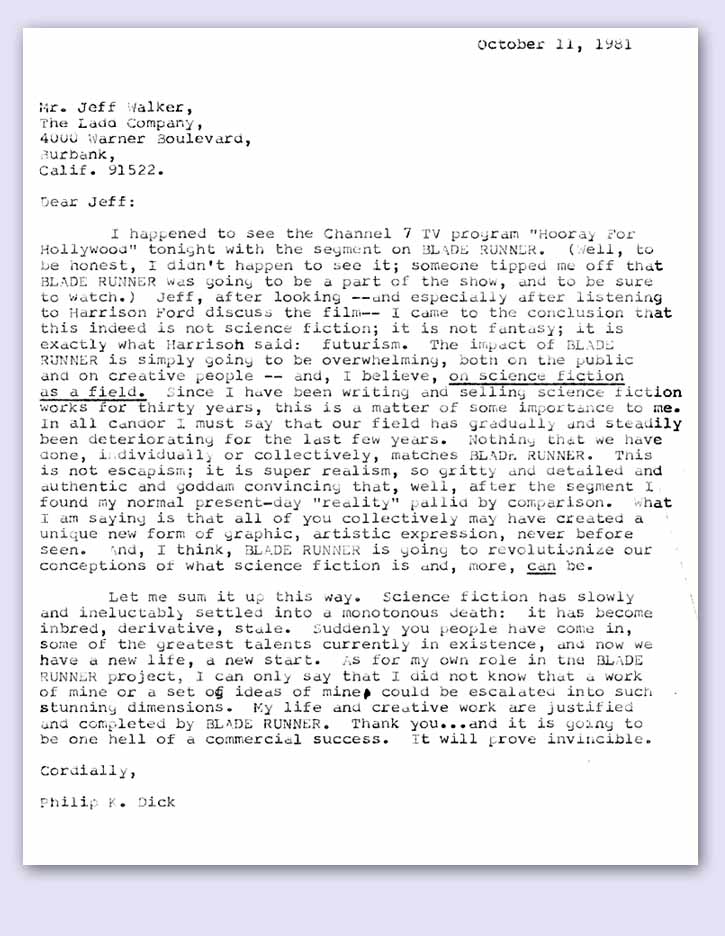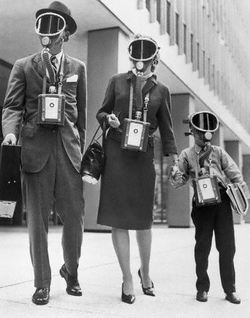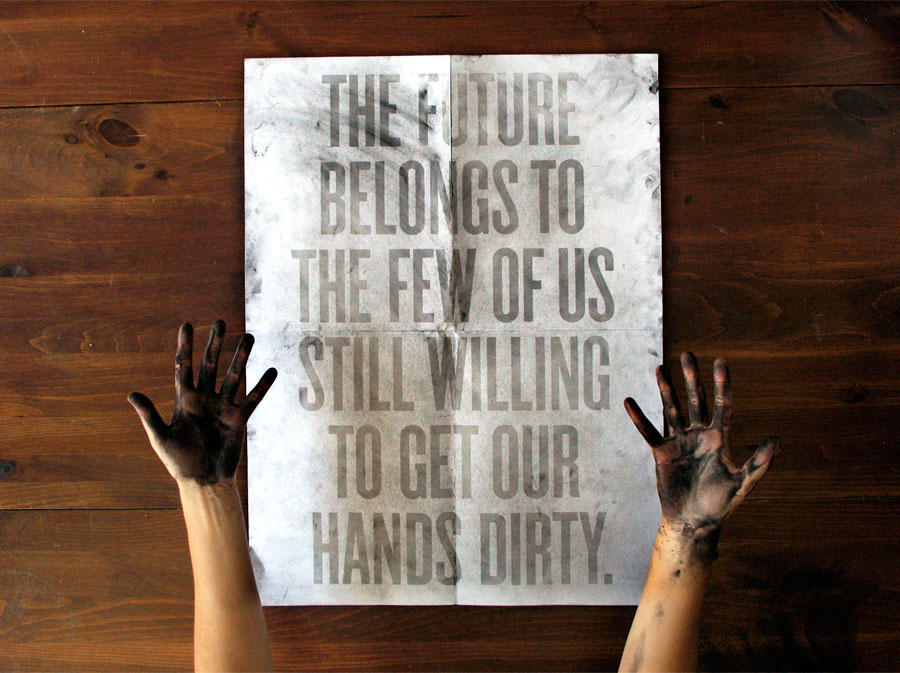
Read moreHell yes!

“Someone once said plants invented animals to carry them around. Well, I think the Earth invented human beings to build machines; and those machines will be the consciousness of the Earth. Have you not noticed that these machines are made of the Earth? They are made of gold and silver and arsenic and copper and iridium. They are the stuff of the Earth, organised by primate fingers into more complex arrangements than the Earth could achieve through geological folding, glaciation, volcanism, what have you. We do the fine-tuning; but the Earth is beginning to think.” –Terence McKenna (via Posthuman Blues: Transcendent machines)
Read moreContinuing it’s mission to make everything from a sf movie and/or anime exist in reality, Japanese scientists at a subdivision of Panasonic give you this.. the power loader from Aliens:
Aliens-esque Power Loader suit, coming 2015
Read more "Aliens-esque Power Loader suit, coming 2015"This crazy beautiful design from the Re-Burbia competition, the Airbia, is just the kind of madness we need to fix this broken world.
Wouldn’t you rather board an alien mothership for your…
Could airships be the new trains?
Read more "Could airships be the new trains?"Read moreThe information revolution is about to hit the developing world for the first time. Not because of governments or NGOs, but because there’s money in them there shantytowns. Think volume. Mobile-payment companies like Sagentia, Gemalto, and Obopay are already targeting the billions – yes, billions – of emerging-market consumers with mobile phones but no bank accounts. First, the developing world leapfrogged copper wire and went directly from word-of-mouth to GSM phones: now they’re jumping straight from the abacus to the smartphone.
…
The information tsunami about to hit the developing world is going to be like our desktop, internet, and mobile revolutions all rolled into one. It will save untold thousands of lives, thanks to initiatives like Uganda’s recently unveiled Google SMS health service, vastly improve millions more, make a lot of people rich – and wreak a lot of bloody havoc. Poor countries tend to be tribal, corrupt, politically unstable, and full of angry and frustrated people. There’s a reason China blocked Twitter, Facebook and YouTube immediately after the Xinjiang violence earlier this year: good networks make insurgents far more dangerous and can amplify a single riot into citywide or even countrywide violence. Better buckle your seat belt. It’s going to be a bumpy decade.