





Read moreMy Adopted Cat Is The Best Climbing Partner Ever
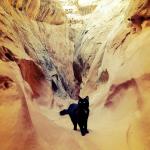
Most pet cats will become timid or defensive when outdoors, but not Millie – after being adopted by her mountain-climbing owner Craig Armstrong, Millie has become a feline hiking and mountain-climbing legend.
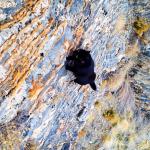
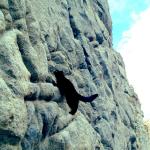
“She literally loves to climb things… if there’s high-ground she’ll seek it out,” Armstrong said in an interview with Bored Panda. He had nothing but praise for the tenacious little athlete: “Generally she does best on slabby routes where she can scramble from ledge to ledge. She’s an incredible athlete but steep juggy routes just aren’t her thing. When bouldering, though, she’s done some pretty amazing gaps and dynos.”
“I go on a lot of weekend climbing adventures. It never seemed odd to me, just seemed like something I’d do with my pet, take her places,” explained Armstrong. Ever since Millie climbed up onto his shoulder at the Furburbia adoption center in Utah, Armstrong knew they’d make a good team.
There are, of course, pros and cons to taking your cat hiking – “We camp in my truck; She peed in there one night, but she caught a mouse in there one night, too.” Armstrong hopes that they can become a team in other aspects of his life as well; “I’m still waiting for the day we come across a group of pretty ladies and they love Millie and invite us to their campfire that night.“
He also had plenty of advice for owners who might consider hiking with their own cats. “Get them used to their name and to you as a safe place. In talus fields or thick woods she’ll get distracted and climb trees or explore tiny caves and under boulders and stop following sometimes. It’s taken a lot of practice and many trips to get Millie to the point where she follows me down a trail past areas like thickets that would have distracted her otherwise.”
Via Bored Panda
if I could have only one thing in life….
 The Committee to Nuke Elysium