Read morewe won’t have autonomous off-world colonies unless and until they can cover all the numerous specialities of the complex civilization that spawned the non-autonomous, dependent-on-resupply space program. Or, to put it another way: colonizing Mars might well be practical, but only if we can start out by plonking a hundred million people down there.
spaceistheplace
Read moreRussia is building a new spaceport to enhance the growth of its commercial space industry and aims to launch unmanned flights from it by 2015. The country is pumping investments worth $800 million into the new site which will be smaller than its current launch site of Baikonur that it rents from Kazakhstan and will have state-of-the-art launch pads, research facilities and a modern residential complex. Russia’s space officials say that the future spaceport is planned mostly for civilian launches and that the new cosmodrome will ensure stability of the Russian space industry by setting it up on its soil and will foster the development of its private space industry. The country also plans to build a new generation of spacecraft to be used for interplanetary flights
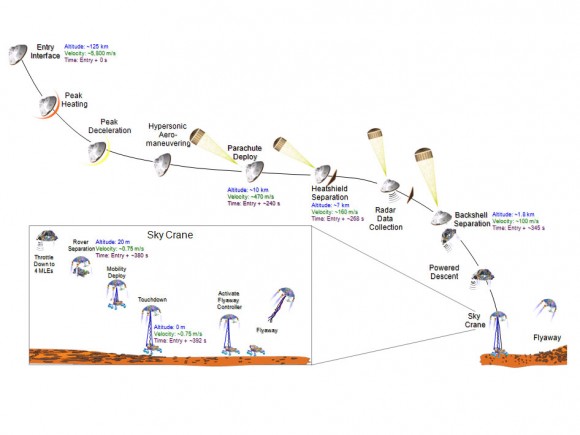
Now THIS is what I call “must-see TV!” A camera on the next Mars Rover — MSL, also known as Curiosity – will start recording high-definition video about two minutes before the rover lands on Mars, currently scheduled for August 2012. The Mars Descent Imager, or MARDI, will provide all of us Martian-wannabes with the first-ever ride along with the landing. And this will be a very unique landing, with the “Sky –Crane” lowering Curiosity to the planet’s surface. The video won’t be live, however – that’s way too much data for the spacecraft to send back to Earth at such an important event, but we will get to see it later. JPL provided a description of what the video should look like: (via Best Reality TV Ever: Camera Will Take Video of Next Mars Rover Landing | Universe Today)
Read more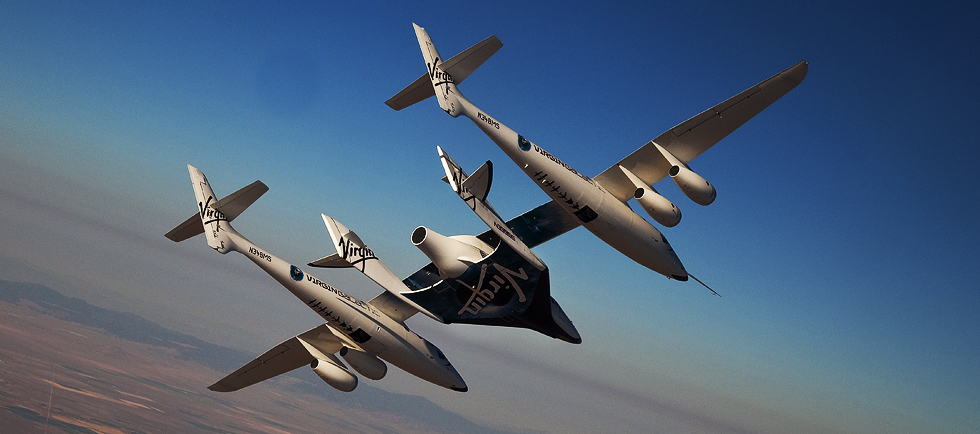
For the first time VSS Enterprise flew with crew on board. As planned, the spaceship remained attached to VMS Eve (captive) for the duration of the flight and numerous combined vehicle systems tests were conducted. In addition and for the first time, the two crew members on board VSS Enterprise, evaluated all of the spaceship’s systems and functions from end to end in the air. Objectives achieved. (via News – VSS Enterprise Makes First Crewed Flight | Virgin Galactic)
Read more
Two private spacesuit designers unveiled their first steps toward serious attire for future space travelers Friday night in front of a young, hip crowd of artists and tech geeks in Manhattan.
A spacesuit model arched his back experimentally, flashed the thumbs up and struck other poses that drew chuckles from the crowd gathered inside the Eyebeam Art and Technology Center. He showed off a bright yellow pressure suit topped by the dome of a roomy space helmet, with a blue glove on the right hand and a black glove on the left hand.
…
Moiseev and Southern push a design philosophy that embraces easier manufacture. Southern created spacesuit pieces from heat-sealed nylon coated by urethane laminant in his art studio.
“Our whole angle is super-easy manufacture and very affordable,” Southern explained. Manufacturing the pressure suit components alone had cost perhaps $15,000 in all, Southern said.
That price does not include all the other parts of a working spacesuit, such as communications gear and life support. (via SPACE.com – New Private Spacesuit Unveiled With New York Flair)
Read more
On July 11, 2010, the new moon passed directly in front of the sun, causing a total solar eclipse in the South Pacific. In this image, the solar eclipse is shown in gray and white from a photo provided by the Williams College Expedition to Easter Island and was embedded with an image of the sun’s outer corona taken by the Large Angle Spectrometric Coronagraph (LASCO) on the SOHO spacecraft and shown in red false color (via NASA – The View From Easter Island)
Read more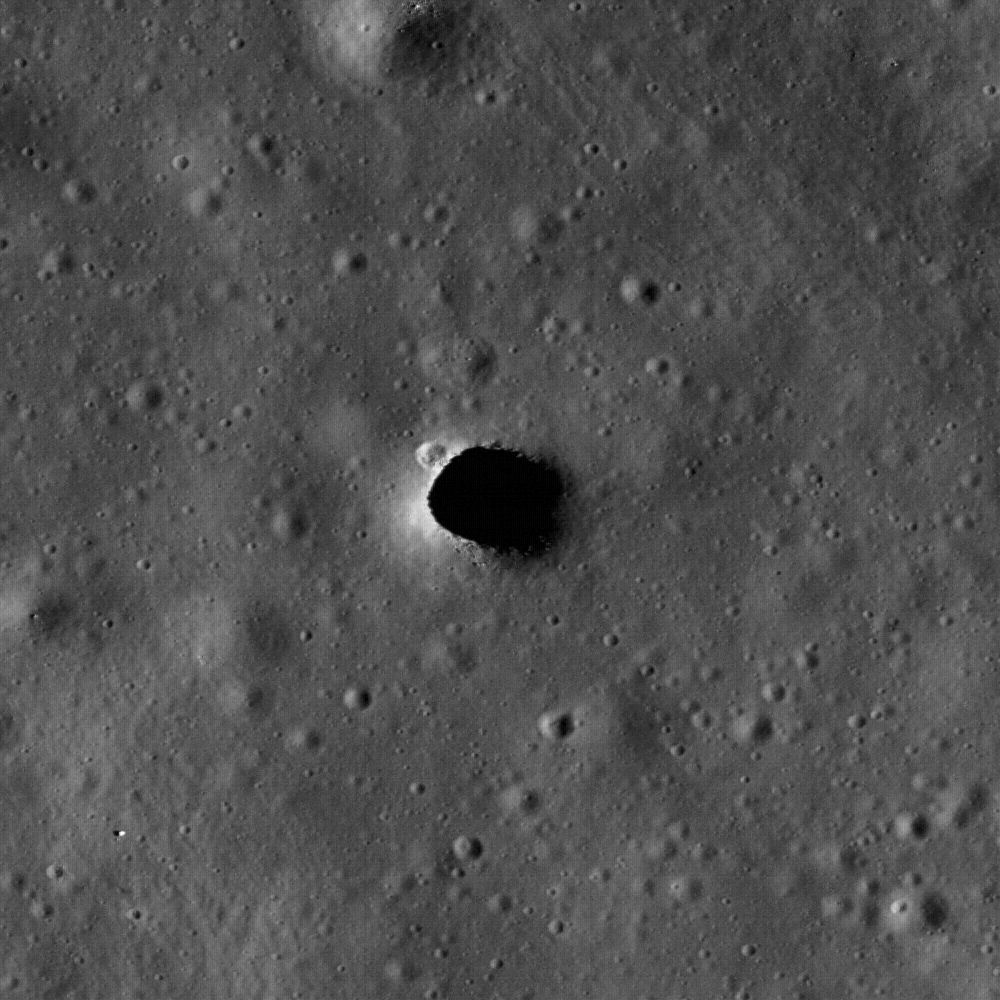
Lava tubes are formed when the upper layer of lava flowing from a volcano starts to cool while the lava underneath continues to flow in tubular channels. The hardened lava above insulates the molten lava below, allowing it to retain its liquid warmth and continue flowing. Lava tubes are found on Earth and can vary from a simple tube to a complex labyrinth that extends for miles.
If the tunnels leading off the skylights have stood the test of time and are still open, they could someday provide human visitors protection from incoming meteoroids and other perils.
“The tunnels offer a perfect radiation shield and a very benign thermal environment,” says Robinson. “Once you get down to 2 meters under the surface of the Moon, the temperature remains fairly constant, probably around -30 to -40 degrees C.”
That may sound cold, but it would be welcome news to explorers seeking to escape the temperature extremes of the lunar surface. At the Moon’s equator, mid-day temperatures soar to 100 deg C and plunge to a frigid -150 deg C at night
via science.nasa.gov / http://science.nasa.gov/science-news/science-at-nasa/2010/12jul_rabbithole/
Read more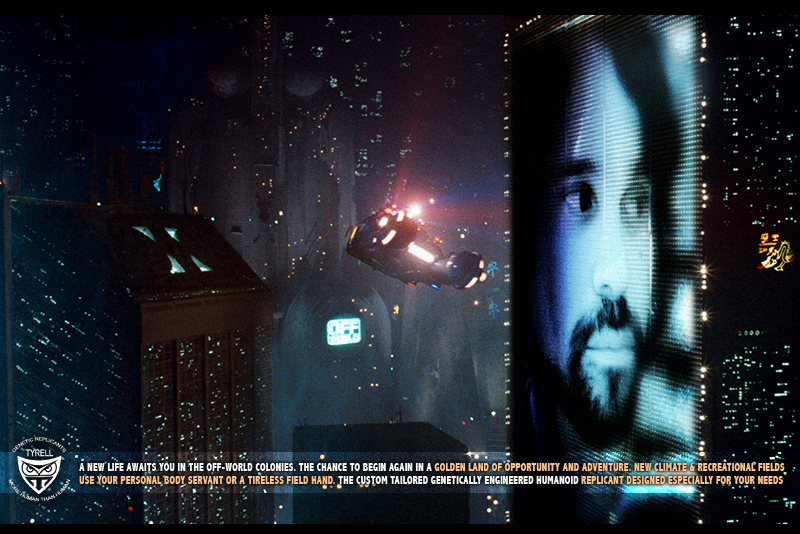
 The Committee to Nuke Elysium