Read moreThe bulk of the cost of a Mars mission is getting people to the surface and back again,” says Pascal Lee, chairman of the Mars Institute in Moffett Field, California. “If you wait for everything to be ready, it will be decades. Phobos offers us a way to get to the very doorstep of Mars.
spaceistheplace

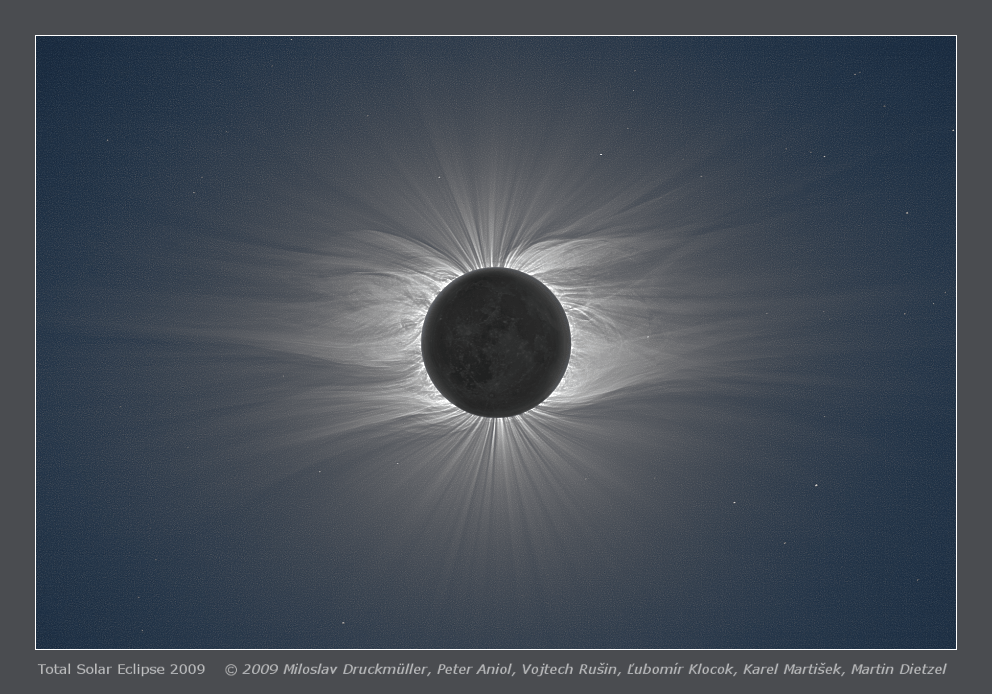
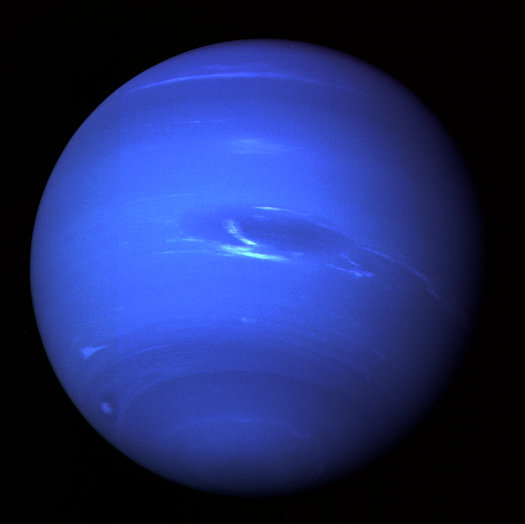
Diamond oceans could explain why the magnetic fields of Uranus and Neptune appear tilted so far off their north-south axes, given that they could deflect or tilt the magnetic fields. Both planets may consist of up to 10 percent carbon, the elemental building block of diamond. (via Neptune and Uranus May Have Oceans of Liquid Diamond | Popular Science)
Read moreRead moreThe Titan Mare Explorer (TiME) has already been under study for about two years. It is envisaged as a relatively low-cost endeavour – in the low $400m range.
It could launch in January 2016, and make some flybys of Earth and Jupiter to pick up the gravitational energy it would need to head straight at the Saturnian moon for a splash down in June 2023.
The scientists have a couple of seas in mind for their off-world maritime research vessel. Ligeia Mare and Kraken Mare are both about 500km across.
…
Pictures will be essential, though. The Huygens lander sent back a vista of orange pebbles – one of the most iconic images in Solar System exploration history. A view from the surface of a methane lake, looking towards the shore would be just as amazing.
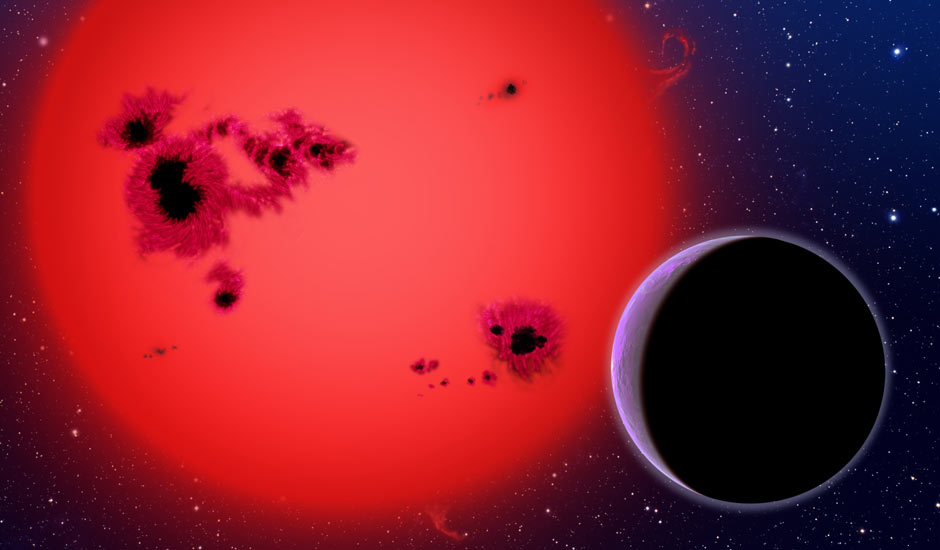
The latest planet is only a stone’s throw away in astronomical terms, meaning scientists will be able to turn the Hubble Space Telescope towards it and analyse its atmosphere, potentially revealing signs of life. Charbonneau’s team has already requested time on the space telescope. “Using the Hubble, we can look at the atmosphere and say not only whether it’s habitable, but whether it’s inhabited,” Charbonneau told the Guardian. “If we find oxygen in the atmosphere things will get really interesting, because on Earth all the oxygen in the atmosphere comes from life.” After spotting GJ1214b in orbit, the astronomers measured tiny movements in the parent star as the planet circled around it. From these wobbles they calculated the mass of the planet to be 6.6 times as great as the Earth’s. The most likely composition of the planet is 75% water, with 22% silicon and 3% iron forming a solid core, the scientists report. (via Waterworld planet is more Earth-like than any discovered before | Science | guardian.co.uk)
Read more
Read more“The international community is beginning to define the infrastructure that will be used on the moon and elsewhere for the next 20 to 30 years. Decisions taken in the coming few years will thus affect the role that the UK does or does not play in this initiative for years to come.”
…
The country spends about £270m a year on space, most of which is paid to the European Space Agency. Earlier this year, ESA announced the first Briton to join its astronaut corps, Major Timothy Peake, a former army helicopter pilot.
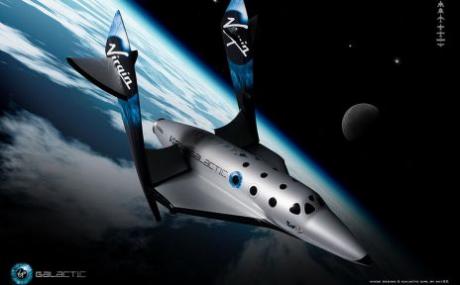
For a mere $200,000 (£120,000), wealthy funseekers will be able to enjoy a few minutes’ weightlessness, staring out at the curve of the Earth from under a black sky. (via Virgin Galactic’s SpaceShipTwo getting ready for test flights ahead of space tourism – Telegraph)
Read moreRead moreyes, I think human interstellar exploration (and yes, maybe even colonization) might be possible, after a fashion. But to get there, we’re going to have to master at least two entire technological fields that don’t yet exist, even before we start trying to blast compact disc sized machines up to relativistic velocities.
 The Committee to Nuke Elysium