Images

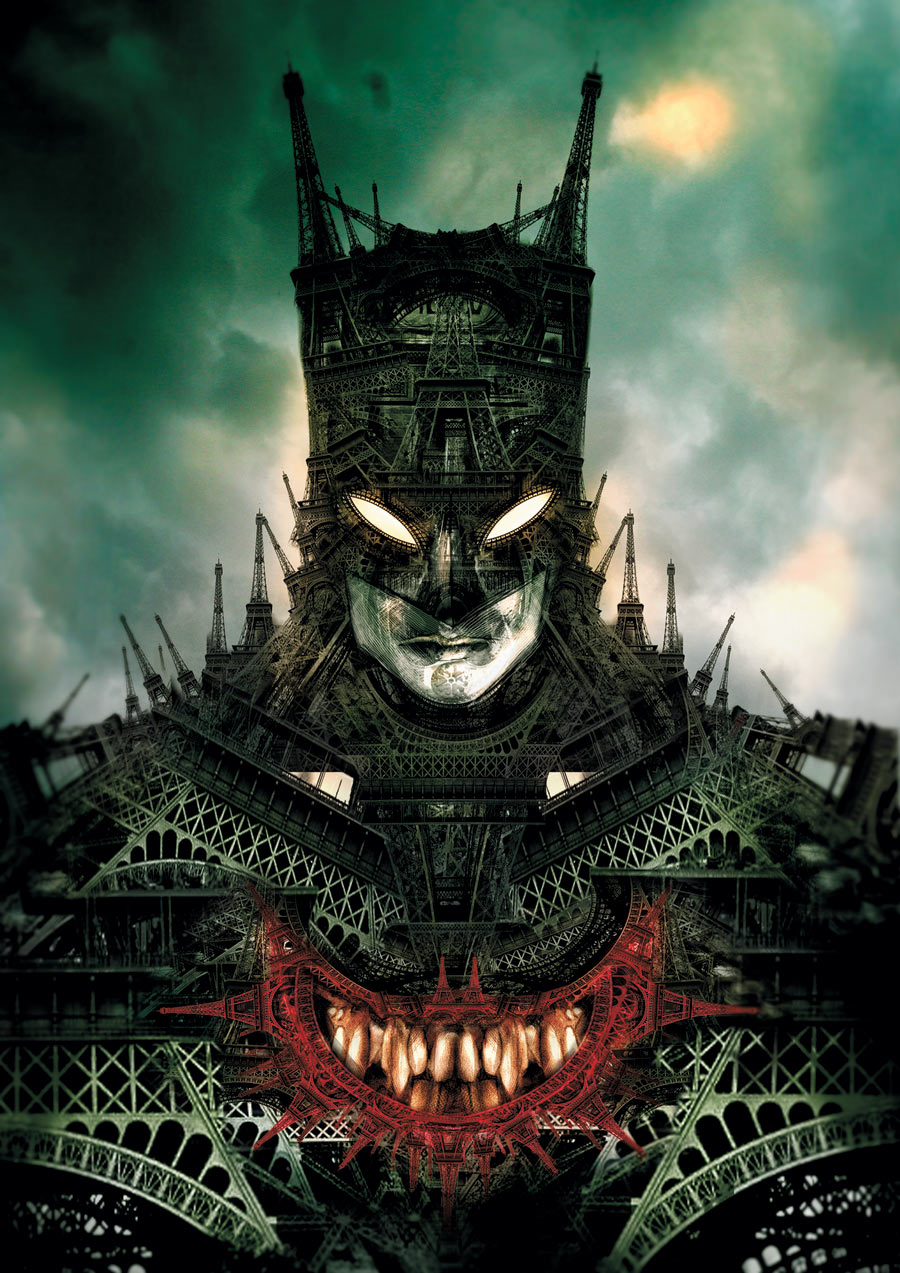
It has become a symbol of conformity. “Suit” was the chosen insult of hippies to describe a dull establishment man. The garment has been ostentatiously rejected by Silicon Valley titans like Steve Jobs of Apple, Mark Zuckerberg of Facebook and Sergey Brin of Google. Yet the business suit has an exciting and mysterious history that should give wearers a tingle of pleasure every time they put one on. It is a garment born out of revolution, warfare and pestilence. The suit still bears the marks of this turbulent past as well as the influence of Enlightenment thinking, sporting pursuits and a Regency dandy. (via Men’s clothing: Suitably dressed | The Economist)
Read more
Melanesians, as represented by individuals from Papua New Guinea. Here, the shared genetic ancestry numbers rose to close to four percent, similar to that shared by Neanderthals and Europeans. So, it seems that, on their way to the Pacific, Melanesians and the Denisova population interbred briefly. Since that isn’t true of the groups that are geographically closest to Denisova, like the Han Chinese, the authors suggest that Denisova individuals probably ranged much more widely than their single site suggests. (via Another case of early human interbreeding confirmed in Siberia)
Read more

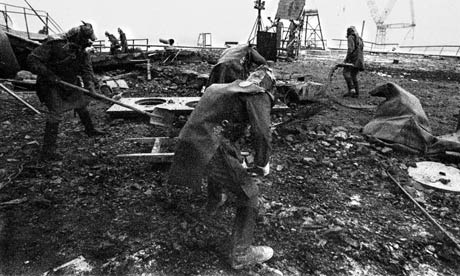
The plant itself, which kept generating power until 2000, still has 2,500 staff making the site safe, working in strict shifts to minimise radiation exposure. Ukraine’s government said that it hoped to complete a new sarcophagus for the exploded reactor by 2015. The existing concrete structure is cracking and leaks radiation. (via Chernobyl: now open to tourists | World news | The Guardian)
Read more
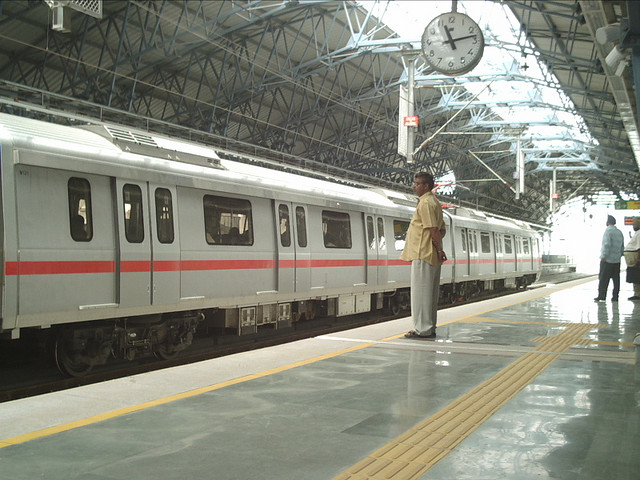
The Delhi-Mumbai Industrial Corridor is a major infrastructure project that India is developing with Japan. The project will upgrade nine mega industrial zones as well as the country’s high-speed freight line, three ports, and six airports. A 4,000 MW power plant and a six-lane intersection-free expressway will also be constructed, which will connect the country’s political and financial capitals. The DMIC project is already underway and it will cover six states — Rajasthan, Gujarat, Maharashtra, Haryana, Uttar Pradesh and Madhya Pradesh.
The mega-project, which is rumored to cost over $90 billion, is being partially funded by the government along with Japanese loans and investment by Japanese firms. The 24 green cities are designed to boost India’s infrastructure in the smaller towns along this 1,483km corridor, as well as national economic growth and prosperity. A key part of the green city development will improve and repair the basic infrastructure of two major metropolitan cities that suffer from poor roads due to high levels of transport. A large portion of the funding will go into developing better transport facilities and public transport systems.
– honestly, 90 Billion seems rather cheap.. especially when you look at what countries are spending ‘bailing out’ their banks. Imagine if they invested in their infrastructure with that money instead!!!
Read more
“The GAZ-M20 “Pobeda” (Russian: ГАЗ-М20 Победа; Победа means “Victory”) was a passenger car produced in the Soviet Union by GAZ from 1946 until 1958. In 1955-57, several thousands were built with a four-wheel drive system adapted from a contemporary Soviet military vehicle (GAZ-69) for cross-country travel (designated GAZ-M-72). Russian references credit these as possibly being the first comfortable off-road vehicle with a closed unitized body.” (via The “first SUV” « How to be a Retronaut)
Read more The Committee to Nuke Elysium