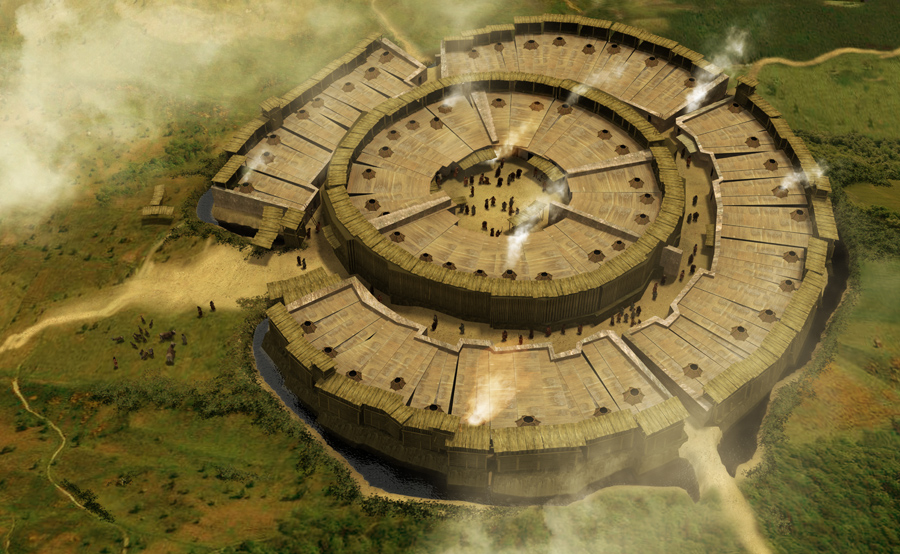
This was where a Galactic Civilisation was built from the ruins of the Twentieth Century…

The entry in the Multiverse TV Guide reads:

Twenty First Century: for the majority of timelines, this was where a Galactic Civilisation was built from the ruins of the Twentieth Century (and the Industrial Civilisation that preceded it).”

Here in Cosmic Anthropologist HQ we spend a lot of time contemplating a more fleshed out Kardashev Scale. Something that has more dimensions than just energy usage. Cultural factors. Ethical metrics.

Here in Cosmic Anthropologist HQ we’re looking forward to being able to have a bath without using a bucket.

“The Future Composts the Past.” ~ Bruce Sterling

In most of those other timelines, Giant Mutant Rats haunt a ruined Earth.
PaxRomana04-030

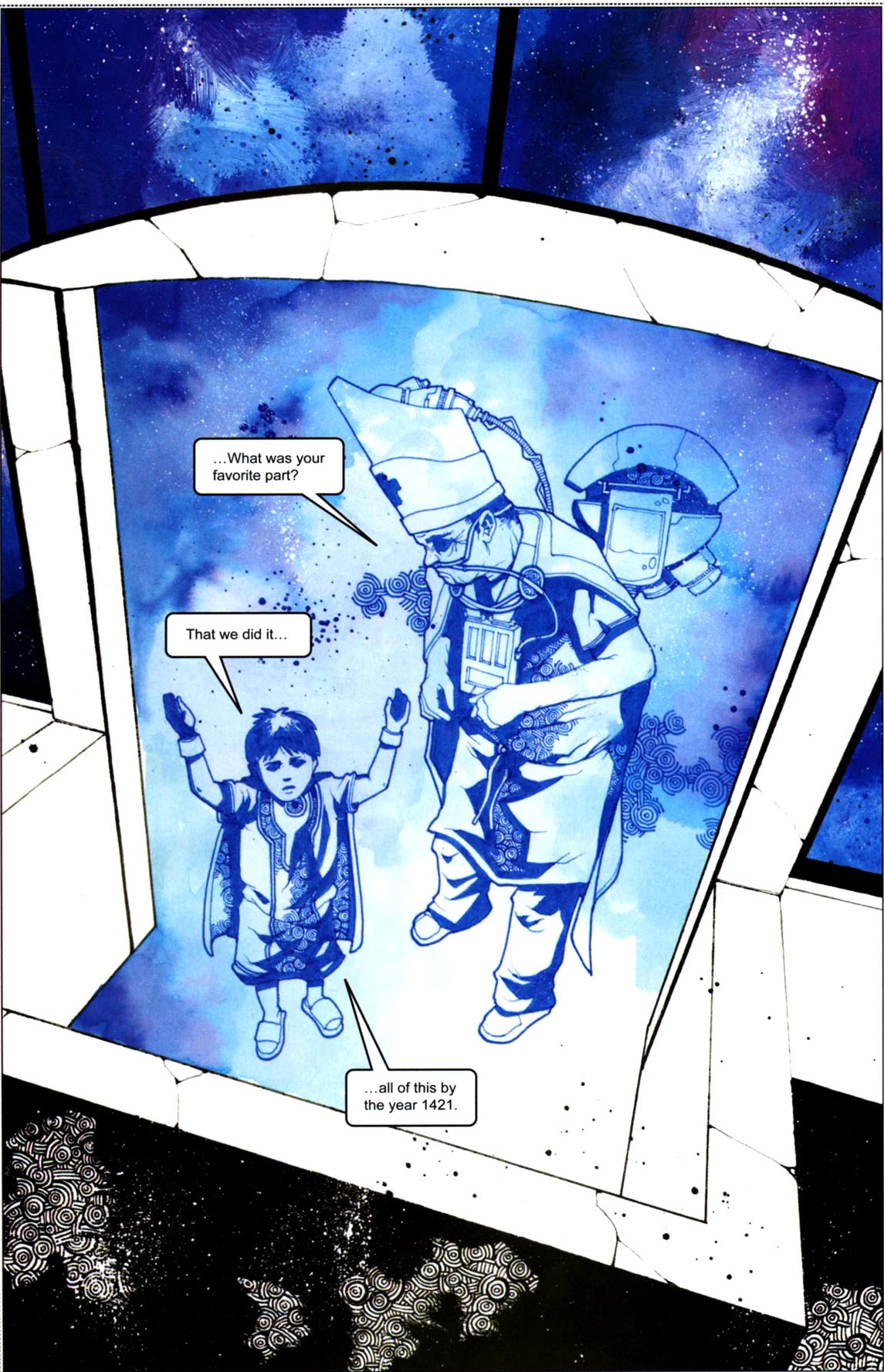
And in just one, we got to Mars in the fifteenth century. Thanks to time travelling posthumans willing to save the world by any means necessary. Obviously.

manhattan-projects-panel1

Some speculate we got there decades ago. Or rather, They did. Those with their secret space program.

History is a lie. Progress is an illusion.

The Truth, as ever, lies somewhere between what we think we know and what we fear and what we can’t even imagine.

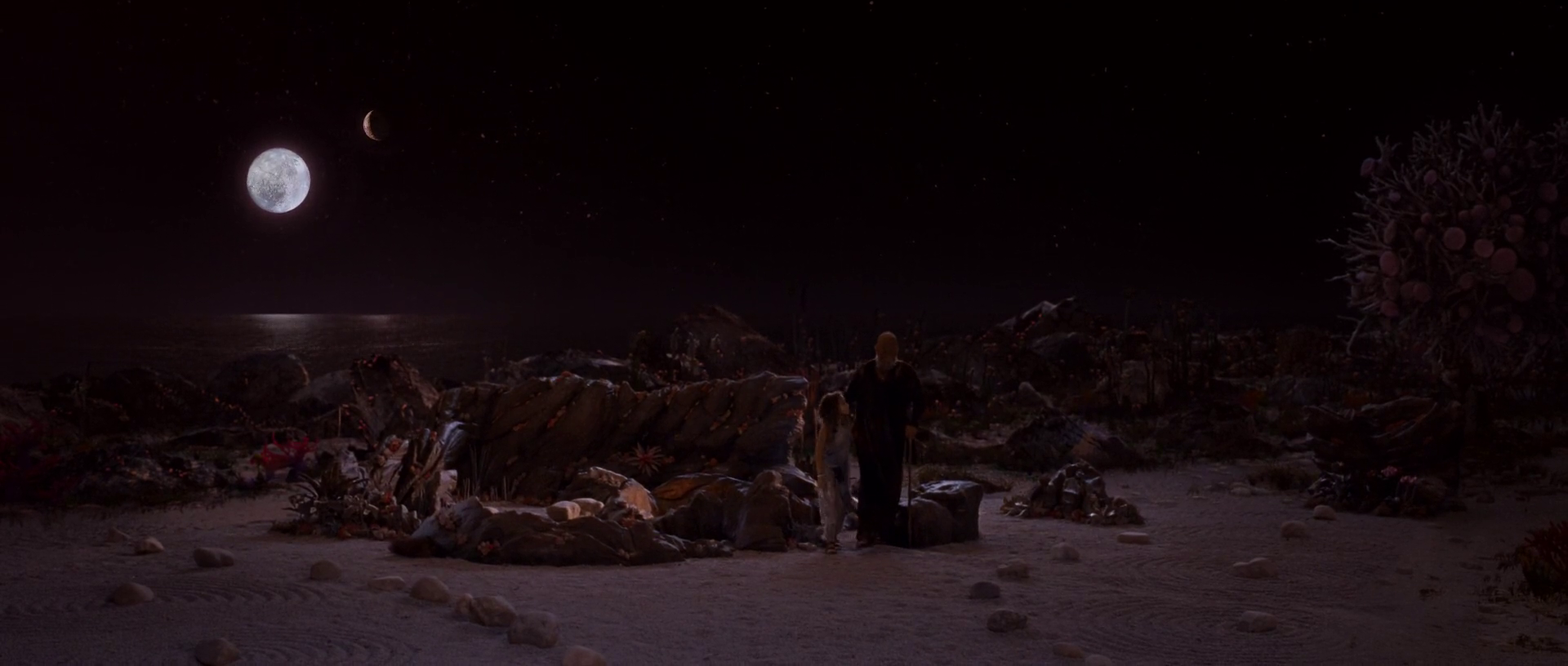
It wasn’t until the fifth viewing of Cloud Atlas that I saw the Wachowskis are showing us more than the trap of eternal recurrence. They’re giving us glimpses of the path we’re on too. Neo Seoul and the drowning earth.

Cloud Atlas

And of course, a civilisation that just managed to reach the stars before the Collapse finally came. That managed to hurl bits of itself out into the void in one last push.
Cloud Atlas
Cloud Atlas

Which makes the plot of Jupiter Ascending all the more interesting.

from the Jupiter Ascending ‘look book’

I’m paying attention.

I’m standing here in the rubble of the World with a shovel, ready to build a Type 2 Civilisation.

Who knows, maybe the galaxy will meet us halfway?

Read more "This was where a Galactic Civilisation was built from the ruins of the Twentieth Century…"


orbitdecay:

The expanding debris cloud from the explosion of a massive star is captured in this multiwavelength composite, combining x-ray and optical images from the Chandra and Hubble telescopes. Identified as E0102-72, the supernova remnant lies about 190,000 light-years away in our neighboring galaxy, the Small Magellanic Cloud. A strong cosmic source of x-rays, E0102 was imaged by the Chandra X-ray Observatory shortly after its launch in 1999. In celebration of Chandra’s 10th anniversary, this colorful view of E0102 and its environs was created, including additional Chandra data. An analysis of all the data indicates that the overall shape of E0102 is most likely a cylinder that is viewed end-on rather than a spherical bubble. The intriguing result implies that the massive star’s explosion has produced a shape similar to what is seen in some planetary nebulae associated with lower mass stars. At the distance of the Small Magellanic Cloud, this field of view spans about 150 light-years.

Read more

parkingcars:

From the space of the interwebs: this sleeve illustration for The Heliocentric Worlds of Sun Ra (1965) is stellar in all senses of the word. 

As certain writing deadlines loom and I start thinking towards moderating this very exciting event in a couple of months, I’ll try posting relevant thoughts, sounds, visuals and otherwise up here, more so than I usually do. Next stop, Jupiter… 

Read more

Arkaim is the remnants of an ancient settlement, which is basically a village that was fortified by two large stone circular walls.  The settlement covers an area of some 220,000sq-ft and consists of two circles of dwellings separated by a street, with a central community square in the center.  The site was discovered (rediscovered?) in 1987 by a team of Russian archaeologists, and a wave of excitement washed through the world of archaeology.  The site and associated artefacts have been dated to the 17th century BCE and it’s generally agreed that it was built somewhere between 4000-5000 years ago, which puts it in the same age bracket as Stonehenge.

It has been of great interest to archaeoastronomers, and therein lies the reason for its association with Stonehenge.  It’s long been known that Stonehenge has and was built with astronomical observation in mind.  In fact it’s technically called an observatory.  Stonehenge allowed for, and possibly may still allow for observations of 10 astronomical phenomena using 22 elements, whereas some archaeoastronomers claim that Arkaim allows for observations of 18 phenomena using 30 elements.  This essentially means that certain events in the sky could be observed and tracked by using the site in particular ways and from different positions, and that Arkaim offered more observable events than Stonehenge.

It may seem obvious to some, but the fact that these sites were apparently constructed, deliberately, to act as astronomical observatories and even calendars of a sort, before the same expertise was achieved in the great foundational empires of antiquity, like the Egyptians and the Greeks, is seemingly strong evidence for attributing greater development and sophistication to these pre-historic cultures.  The more conspiratorial among us might even say that these sites offer clues to the existence of an unknown or lost civilization in our distant past.

Read more