
Postcards from Google Earth
Read more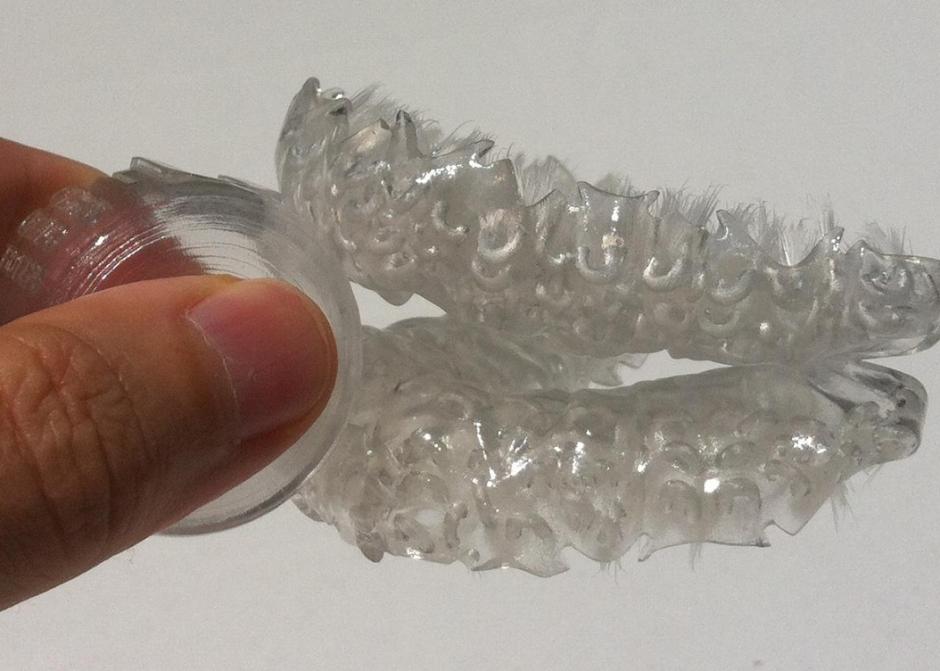
There is no one-size-fits-all Blizzident. Each one is custom-made to fit an individual’s mouth. The process starts with an impression or 3D-scan of your teeth. If you have a dentist make an impression, it still needs to be scanned into a 3D file. That scan is uploaded to Blizzident, which then manufactures the toothbrush using 3D printing.
Read more
The new outcropping off the shore of the Paddi Zirr near Gwadar has been captured by Nasa’s Earth Observing-1 satellite. The island rose from the depths of the sea floor after the earthquake hit, it is estimated to be about 75 to 90 metres in diameter and 15 to 20 metres above the waterline.
Read more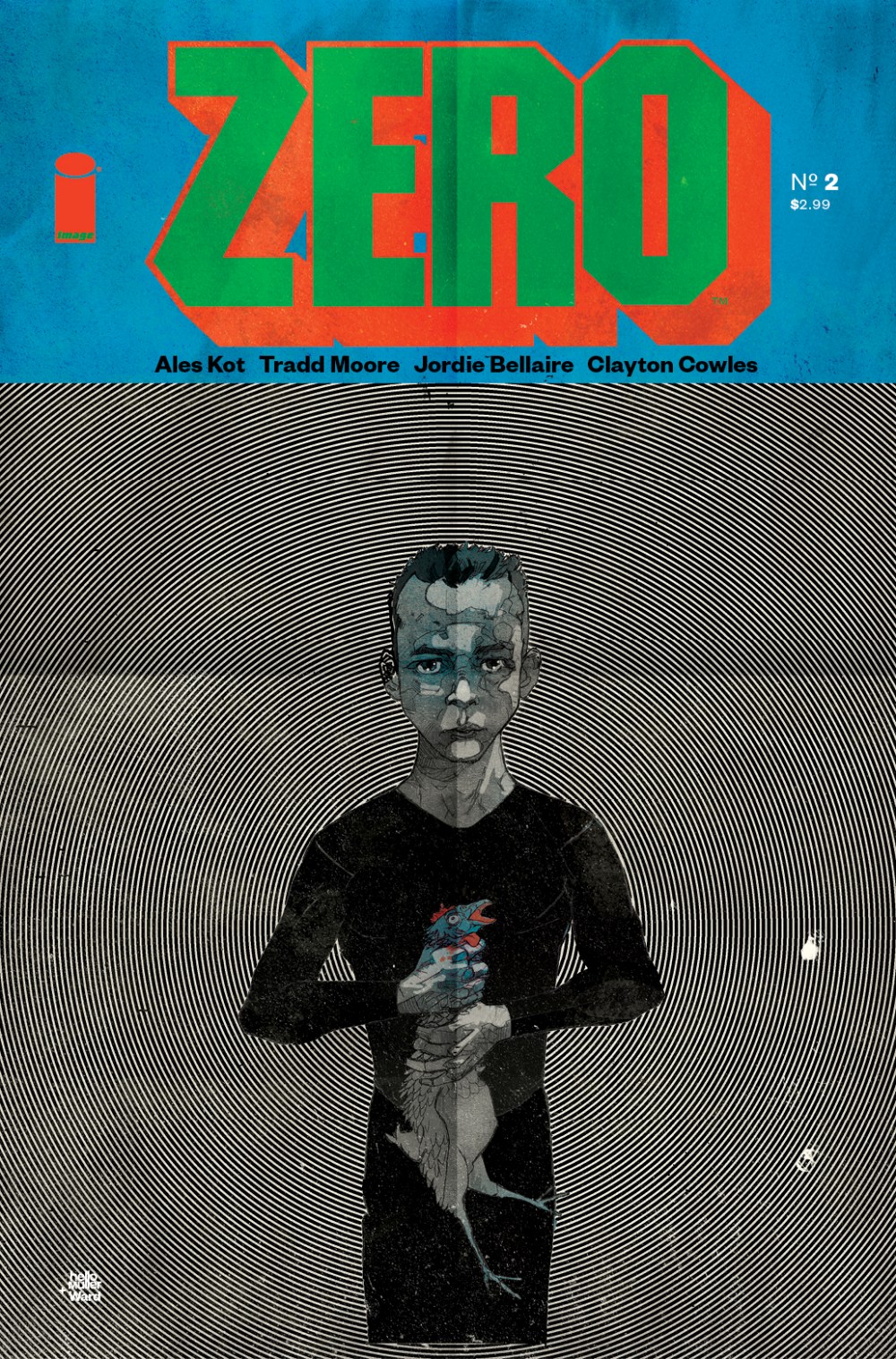
Read moreChristian Ward’s variant cover for ZERO #002, designed by Tom Muller.
ZERO #002 comes out October 16.
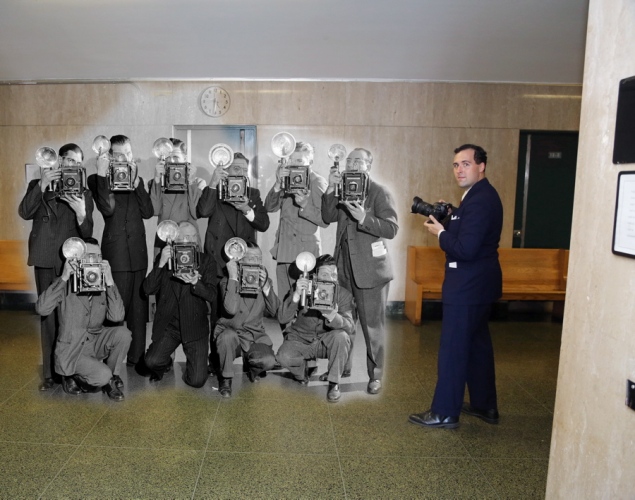
*New York City photographers*
Here, Marc A. Hermann (r.) and his colleagues of 70 years prior get caught in a rare moment on the opposite side of the camera lens. Hermann began this photo project because of his love for history and it has since blossomed into a series that reminds us all that there has been bustling life in the Big Apple for decades. “New York is constantly changing and transforming, and tragedies that affected individuals’ lives are forgotten. We may stand on what was once the site of a horrific murder and not even know it, simply because life goes on,” says Hermann. Now you can relive these historic moments in present-day.
http://fstoppers.com/vintage-crime-scene-photos-superimposed-on-modern-ny-streets-warning-graphic
Read more
It’s a standard scene of the alien invasion trope: everybody stands still and listens to/watches live reports of extraterrestrial craft penetrating Earth’s atmosphere. Stopping what they were doing, what had been important just moments earlier, absorbed in this new knowledge. In fear or awe. In shock or wonder. Forming clusters around the technological organs of news dissemination.
Most recently, this trope is rendered in the AAT retelling of Superman, Man of Steel. General Zod beams his demands down in every language, in the grammar of Fear. Clark Kent submits, not to Zod, but to the will of the people of Earth. Letting them choose Hope over Fear. Making that moment an optical illusion for the viewer; they can perceive one option as easily as the other… if they choose so.
Earth hasn’t been invaded. Rather, the reach of its civilisation just leveled up. In direct opposition to Earth’s atmospheric penetration, Voyager I just escaped that of our Sun’s. An absolutely momentous occasion, something that should be celebrated. Our first explorer in truly outer space, who’s journey there has taken a generation.
Why isn’t this radio image, and others like it, the only thing on a screen today?
For me, today is Voyager Day. A reminder that: we have to get bigger.
We can grow up, not because of some chiding alien space daddy, but because *we* choose to, by our own bootstraps, owning every mistake and accomplishment equally.
Well done, us!
Read more
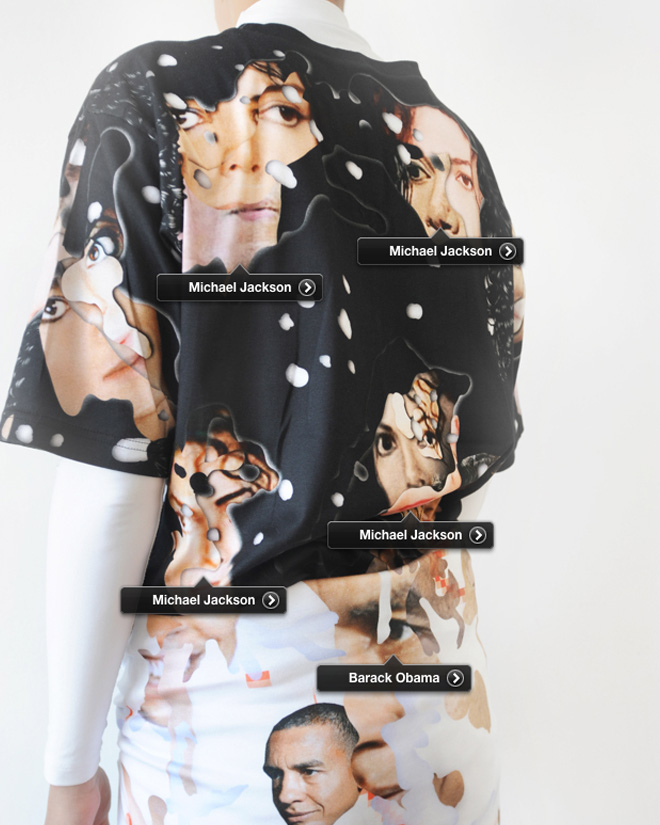
 The Committee to Nuke Elysium